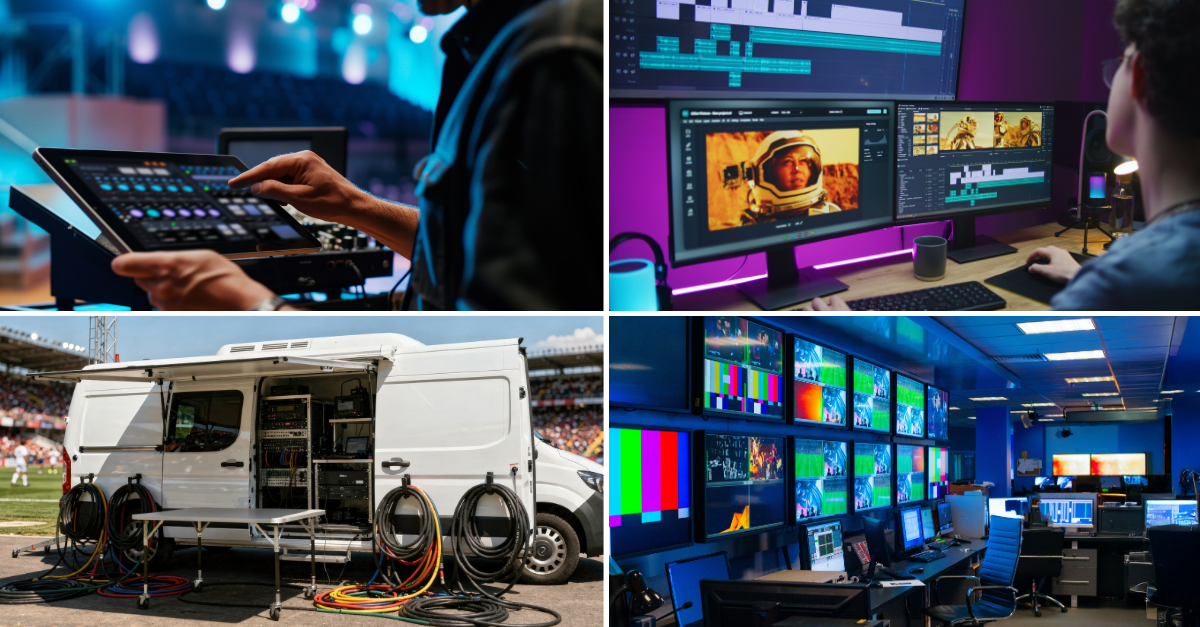
Are Your Broadcast Operations Ready for Game Day? Part 1
This first blog explores why overlapping events, shared resources, and rising technical demands are forcing teams to rethink how well their operations really scale.

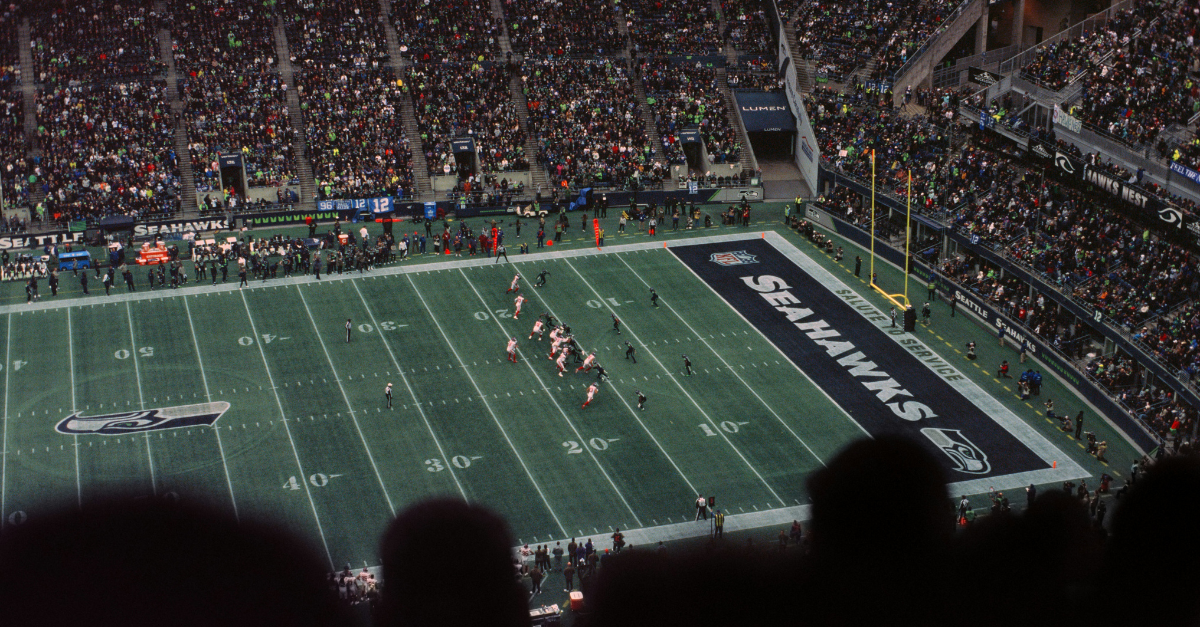
If you work in sports production, you see it every season. Viewer expectations keep rising, platforms keep multiplying, and the technical ambition behind major events continues to grow.
What’s changed is not just what goes on air, but what it takes to support it. As productions increasingly share the same operational windows, the demands on teams, systems, and workflows start to stack up.
This first part focuses on that operational shift, and why it’s prompting many organizations to reassess how well their operations scale.
What modern scale actually looks like
Scale in live sport is not about excess. It is about intent. Every additional camera, data source, or format is there to serve a defined viewing experience. More context. More immediacy. More ways for audiences to engage across platforms.
You can see that intent clearly in how this year’s major events are being built. For Super Bowl LX, Sports Video Group reports that NBC’s production will include more than 80 cameras and over 150 microphones, supported by a new graphics package and Weather Applied Metrics to quantify how weather conditions affect play. Those choices are not incremental. They are designed to deliver a more informed, more immersive broadcast.
That same thinking carries into NBC’s coverage of the Milan Cortina Winter Olympics. Live drones extend aerial coverage. Team radio audio is translated in real time to bring audiences closer to decision making. Biometric data, including heart-rate monitors, feeds directly into on-screen graphics to add emotional context.
Then there is NBA All-Star Weekend. As NewscastStudio has reported, NBC will produce the event onsite in Los Angeles for the first time in more than two decades. New rim-level camera positions, extensive super-slow motion, SkyCam, floor-level miniature cameras, and additional streaming formats such as Courtside Live all expand how the event is experienced across broadcast and digital platforms.
Each of these production decisions is familiar. The challenge comes from supporting all of them in parallel across the same operational window.
Where scale turns into complexity
Delivering richer experiences means managing a growing mix of assets, software tools, licenses, and configurations. Cameras move between events. Hardware is shared. Graphics systems, data feeds, translation tools, and streaming workflows all need to coexist without conflict. When productions overlap, there is far less tolerance for uncertainty around what is available, where it is, and how it is configured.
Systems that worked well when events were more clearly separated are now being asked to support sustained, parallel activity. Not just more equipment, but more variation. More dependencies. More combinations that need to work reliably under pressure.
At that point, visibility is no longer optional. Knowing what assets you have, who owns them, how software is licensed, and how systems scale across multiple productions becomes foundational to operating with confidence.
Are your operations ready?
At this scale, being ready for game day is no longer just about the broadcast itself. It’s about whether your operation can grow with what live sport now demands.
This is the context Beam Dynamics understands well. Working with teams who are navigating increasing complexity, shared resources, and overlapping schedules, and helping them gain the clarity and control needed to operate with confidence at scale.
In part two, we’ll look at what readiness actually looks like in practice, and how engineering teams are adapting their operational approach to support major live sports events today.
Other articles
Learn more about technology management, industry tips, product news and more.
.png)